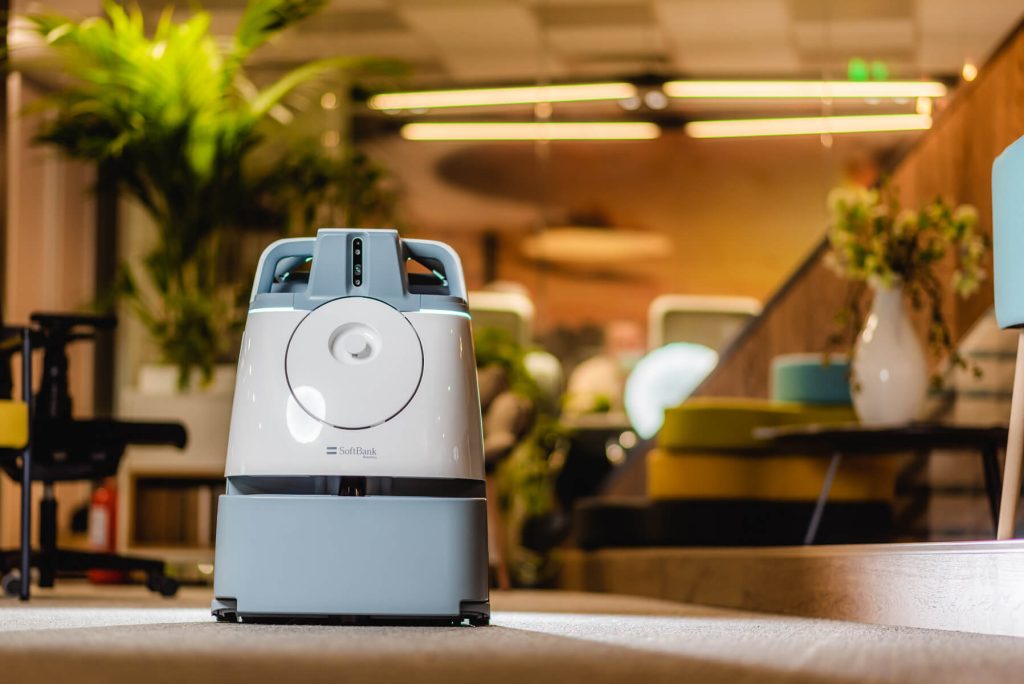
Hotel Cleaning Robots: Are They Worth the Investment?
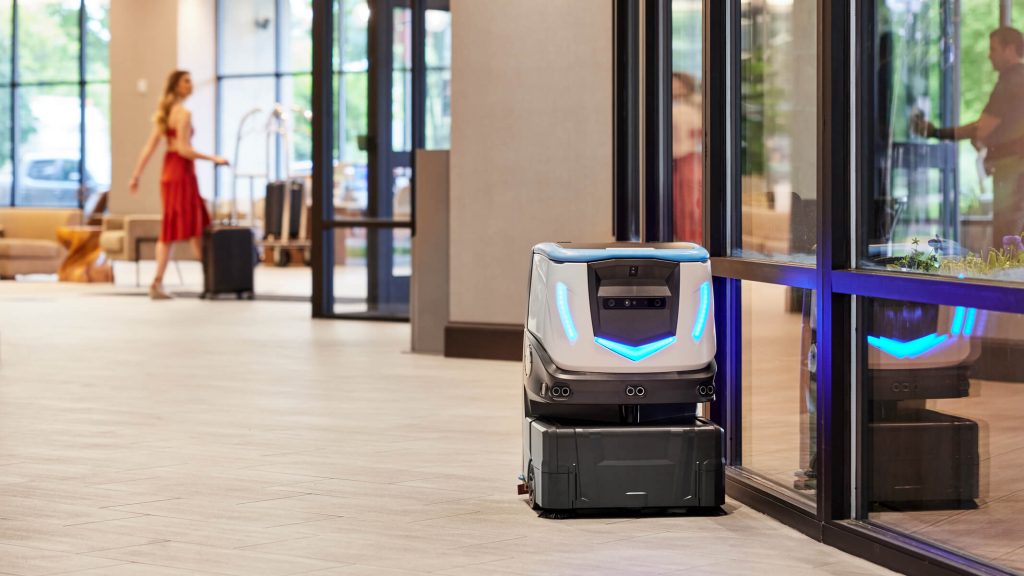
In the hospitality industry, cleanliness is more than just a support function. It is part of the product being delivered, visible in every lobby, corridor, and shared space where guests form their first impressions. That is why a hotel cleaning robot should not be viewed as just another piece of equipment, but as an investment in standardization, productivity, and operational continuity.
The challenges are clear. Labor costs continue to rise, staff turnover remains high, and hygiene expectations are more demanding than they were only a few years ago. In this environment, automation is no longer reserved for large hotel chains. It has become a realistic option for city hotels, resorts, aparthotels, and conference centers looking to maintain service quality without relying entirely on workforce availability.
What Problems Can a Hotel Cleaning Robot Solve?
Hotels operate differently from most commercial facilities. The challenge is not simply the size of the area, but the combination of fluctuating foot traffic, limited cleaning windows, and the need to maintain high standards of safety, appearance, and noise control. Professional robotics delivers value when it is properly integrated into daily operations, rather than treated as a one-size-fits-all solution.
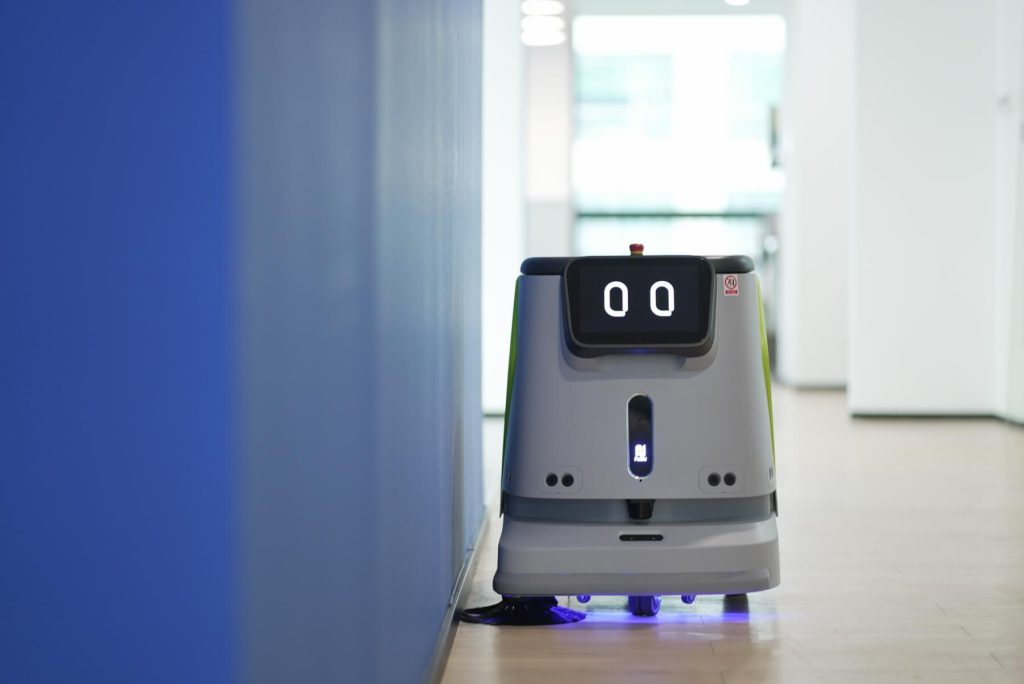
Robots can take over repetitive cleaning tasks in lobbies, reception areas, hallways, access zones, event spaces, and conference facilities. This allows staff to focus on activities where human involvement remains essential: guest rooms, detailed cleaning, incident management, and guest interaction. In other words, robots do not replace the housekeeping team—they allow it to focus on higher-value tasks.
For management, the greatest advantage is predictability. When part of the routine maintenance cleaning is automated, quality becomes more consistent across shifts, busy periods, and quieter days. In hospitality, consistency often matters more than occasional peaks in performance.
Where Do Cleaning Robots Deliver the Greatest Value?
Not every area of a hotel is suitable for automation, and this is where the difference between a well-planned project and a technology purchase driven by novelty becomes apparent. The best candidates are spaces with clear routes, relatively uninterrupted flooring, and a high volume of daily maintenance.
Lobbies and reception areas are usually the first places to benefit. These highly visible spaces require a consistently clean appearance throughout the day, not just periodic cleaning. Long corridors, elevator access areas, and connecting spaces are also ideal for automation. Hotels with conference centers can achieve excellent results in large halls and foyers, particularly after events.
Guest rooms, however, are not always the best starting point for floor-cleaning automation. Dense furniture layouts, guests’ personal belongings, and the need for close attention to detail mean that human intervention remains essential. This does not mean technology has no role to play—it simply means that implementation priorities should be set realistically.
Benefits That Matter to Management, Not Just Housekeeping
The most obvious benefit is productivity. Professional cleaning robots can operate continuously along predefined routes while maintaining consistent cleaning quality. In a hotel environment, this means common areas can be cleaned more frequently without placing additional pressure on staff. During periods of high occupancy or major events, this advantage becomes especially valuable.
Another important benefit is cost control. Not because robots eliminate labor costs entirely, but because they reduce dependence on hours spent performing repetitive tasks. Hotels facing recruitment and retention challenges can quickly see the difference. Instead of constantly searching for additional resources for basic tasks, they can make better use of existing teams and improve workforce efficiency.
There is also a frequently overlooked advantage: traceability. Modern robotic cleaning systems provide data on cleaned areas, operating schedules, consumables, and task status. For operators managing multiple properties or hotel groups, this level of visibility supports standardization and enables performance to be measured based on real operational data rather than assumptions.
What Should Be Considered Before Choosing a Cleaning Robot in a Hotel?
Selecting the right robot begins with understanding the application, not with choosing a brand. Flooring type, corridor width, carpeted areas, traffic patterns, acceptable noise levels, and charging logistics can all significantly influence the best solution.
A hotel with large hard-floor surfaces, repetitive routes, and heavy traffic at certain times will require a different solution from a boutique hotel with smaller, more fragmented spaces. It is also important to determine whether the primary requirement is vacuuming, sweeping, scrubbing, or a combination of these functions. In many cases, the smartest decision is not to choose the most advanced machine available, but the one that effectively covers 70–80% of the actual workload.
Implementation is equally important. Even the most advanced robot can become a source of frustration if introduced without proper mapping, route planning, and staff training. A successful project should include a site assessment, testing under real operating conditions, and technical support after deployment. This is where the difference between simply selling equipment and delivering an operational solution becomes critical.
Real Challenges and How to Overcome Them
One of the most common concerns is how guests will react. Hotel managers often wonder whether robots will obstruct traffic, compromise the premium atmosphere, or create discomfort. In reality, the answer depends on the location, operating schedule, and equipment type. In many hotels, robots are scheduled to work during low-traffic periods or in areas where their presence actually reinforces an image of innovation and high standards.
Another challenge is staff acceptance. Some employees initially view automation as a threat. The key is not to present robots as replacements, but as tools that remove repetitive work and reduce daily pressure. Once teams realize they are being freed from the most time-consuming tasks and can devote more attention to areas that truly require human expertise, adoption becomes much easier.
Infrastructure can also present limitations. Highly congested spaces, frequently changing layouts, or problematic surfaces may reduce efficiency. Not every hotel will achieve the same results, and an honest assessment is far more valuable than unrealistic promises. In some cases, a phased approach is the most effective strategy, starting with areas where the return is clear and expanding later to additional spaces.
Purchase, Subscription, or Rental?
For many hotels, the barrier is not interest in the technology itself, but the financial model. This is why flexibility matters. Direct purchase may make sense for properties with intensive use and stable long-term operating plans. Subscription and rental options, however, are attractive for hotels seeking to minimize upfront investment, evaluate the operational impact, or maintain greater budget flexibility.
This consideration is particularly relevant in the hospitality sector, where seasonality and occupancy rates can influence capital spending decisions. A partner such as Robotic Cleaning Solutions can develop an implementation model aligned with the operational rhythm of the property rather than focusing solely on equipment specifications.
What Does a Successful Project Look Like?
Every successful project starts with a simple question: where are we losing time and consistency every day?
If the answer points to large common areas, repetitive maintenance tasks, and difficulties in maintaining uniform cleaning standards, automation is likely to provide significant value.
The next step is real-world validation. Testing should take place under actual operating conditions, with guests, obstacles, and the specific requirements of the hotel environment. Only then is it possible to accurately estimate time savings, optimal cleaning frequency, and coverage levels. When the evaluation is done properly, decisions are based on operational data rather than broad promises.
In hospitality, the best technology is often the technology guests barely notice—but clearly experience. Guests see spotless floors, well-maintained common areas, and smooth operations. Management sees something different: greater control, less reliance on improvisation, and a cleaning standard that can be maintained day after day.
That is where the real value of a hotel cleaning robot begins.