
Professional Robot Vacuum for Offices. How to Choose the Right Solution?
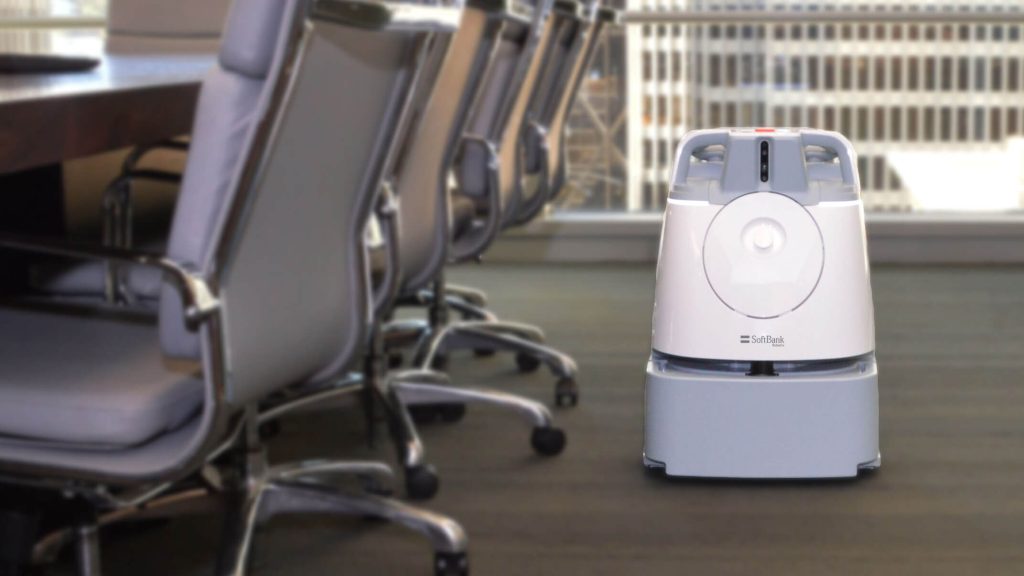
By the time the employees enter the office, the floor should already be clean, not just hastingly cleaned with a traditional vacuum pushed rapidly between chairs and cables. A professional office cleaning robot changes exactly this operational weak point: it shifts cleaning from reactive interventions to a scheduled, measurable and repeatable process.
In the office environment, the pressure is not only on appearance. It is on continuity, on cost per square meter, and on the ability of the facility management team to maintain standards without consuming valuable hours on repetitive tasks. This is where the discussion about automation begins. Not with spectacular promises, but with a simple question: where does a robot truly create value, and where is human intervention still needed?
When a Professional Office Robot Vacuum Makes Sense
In busy office buildings, especially those with large open spaces, meeting rooms, reception areas, and long corridors, vacuuming requires time and operational discipline. If cleaning schedules are squeezed between short time windows, if staff rotates frequently, or if quality varies between shifts, automation quickly becomes a justified solution.
A professional robot is not just a device moving across the floor. It is an operational resource that can work after hours, early in the morning, or during low-traffic windows. In a corporate headquarters, this means fewer interruptions for employees and more control for facility managers.
However, there are also situations where the benefit is more limited. If the office is very small, highly compartmentalized, filled with many mobile obstacles, or has a complex mix of flooring types, efficiency may decrease. In such cases, the right decision is not to force full automation, but to apply it only in areas with repetitive tasks and relevant surface coverage.
What You Should Evaluate Before Purchase
The first variable is the type of space. An open-plan floor with clear routes is very different from an administrative area with many closed offices. Mapping capability, working width, obstacle avoidance, and routing logic determine whether a robot performs consistently or requires constant supervision.
The second variable is traffic. In busy offices, the robot must operate safely around people and adapt its route without frequent interruptions. Sensors, navigation systems, and behavior in dynamic environments matter more than technical specifications that have no real operational impact.
The third is operational autonomy. It is not enough for a robot to have a large battery. What matters is how much area it can clean per cycle, how long recharging takes, whether it resumes tasks automatically, and how much surface it can realistically cover in a working schedule. For facility managers, useful data is not marketing data, but real performance in the building’s daily routine.
Another important aspect is digital management. A professional office robot vacuum becomes truly valuable when it can provide reports, routes, operational status, and proof of execution. In organizations with multiple locations or floors, this visibility helps standardize operations and justify investment decisions.
The Difference Between a Professional and a Consumer Robot
Confusion is common here. Many companies start by comparing professional robots with high-end domestic models and conclude that the price difference is too large. That is true, but the comparison is incorrect.
A professional device is designed for repetitive tasks, extended working hours, operational integration, and dedicated technical support. It includes software logic for commercial environments, components built for higher wear resistance, and management systems that matter in real operations, not occasional use. It also comes with a service ecosystem: maintenance, consumables, training, and scenario-based configuration.
In office environments, the cost of downtime or inconsistent cleaning is higher than it seems. Therefore, the decision should not be based only on purchase price, but on total cost of ownership and the risk of deploying an unsuitable equipment.
Proper Implementation in Offices Starts With the Workflow
The best implementation starts on-site. Surfaces are analyzed, routes are defined, suitable time windows are identified, types of dirt are assessed, and potential bottlenecks are mapped. Then it is decided whether the robot will fully cover certain areas or work alongside the human cleaning team.
This is a key point. Cleaning robotics does not eliminate teams — it redistributes them toward higher-value tasks: detailing, targeted sanitation, hard-to-reach areas, consumables, and quality checks. In office environments, this combination usually delivers the best results.
Implementation also includes environmental adjustments. Sometimes simple rules are needed: keeping corridors clear, organizing cables, or defining cleaning time windows. These are not complex changes, but they directly impact performance.
From this perspective, the integrator’s role is essential. They do not only deliver the equipment but also configure the workflow, train operators, and adjust processes after the first cycles. This is where the difference between a one-time purchase and a well-executed operational project becomes visible.
How to Evaluate Real ROI
Return on investment should not be reduced to labor cost savings. In many offices, the impact comes from multiple directions at once. You get more predictable coverage, fewer quality variations, the ability to clean outside peak hours, and better use of existing staff.
In addition, there is control. If you can see which area was cleaned, when, and under what conditions, performance discussions become much clearer. For companies managing cleaning contracts or multiple sites, this traceability has direct value.
Of course, there are also associated costs: initial investment, maintenance, consumables, and potential process adjustments. That is why a proper evaluation should be done over 12–36 months, not based on impulse. In many cases, subscription or rental models reduce entry barriers and allow testing before scaling.
Questions Worth Asking a Supplier
An informed decision-maker should not only ask about price. More useful questions include how much area the robot can cover in real conditions, how it handles office-specific obstacles, what reports it provides, and what local technical support is available.
It is also important to understand how installation and commissioning are handled, and who is responsible for adjustments after deployment. In operations, the difference between a successful project and an abandoned one often appears after delivery, not before. Support, calibration, and response time matter significantly.
For companies aiming for standardization across multiple locations, scalability is also important. Does the same model work across all sites? Is there a unified management platform? Can deployment be replicated quickly? These questions become critical once the pilot is successful.
Professional Office Robot Vacuum and the Right Expectations
The best decision comes when expectations are realistic. A professional robot does not solve every scenario alone and does not replace all cleaning activities. What it does very well is take over repetitive tasks, stabilize quality, and bring data into a process that often still relies too much on improvisation.
For offices, this means a more consistent standard with less pressure on teams. It also means a more modern operational image, but that is a consequence rather than the main goal. The real drivers remain productivity, predictability, and control.
In a market where labor shortages and cost pressure are not disappearing, automation is no longer a “future idea.” It is an operational calibration decision. And when the solution is correctly chosen, realistically implemented, and supported by an experienced partner, cleaning robotics delivers exactly what business should expect: measurable results, not just impressive promises.
For companies considering this step, it is worth starting with a simple question: which area of the office generates the most time consumption and the least predictability? That is usually where the best implementation begins.