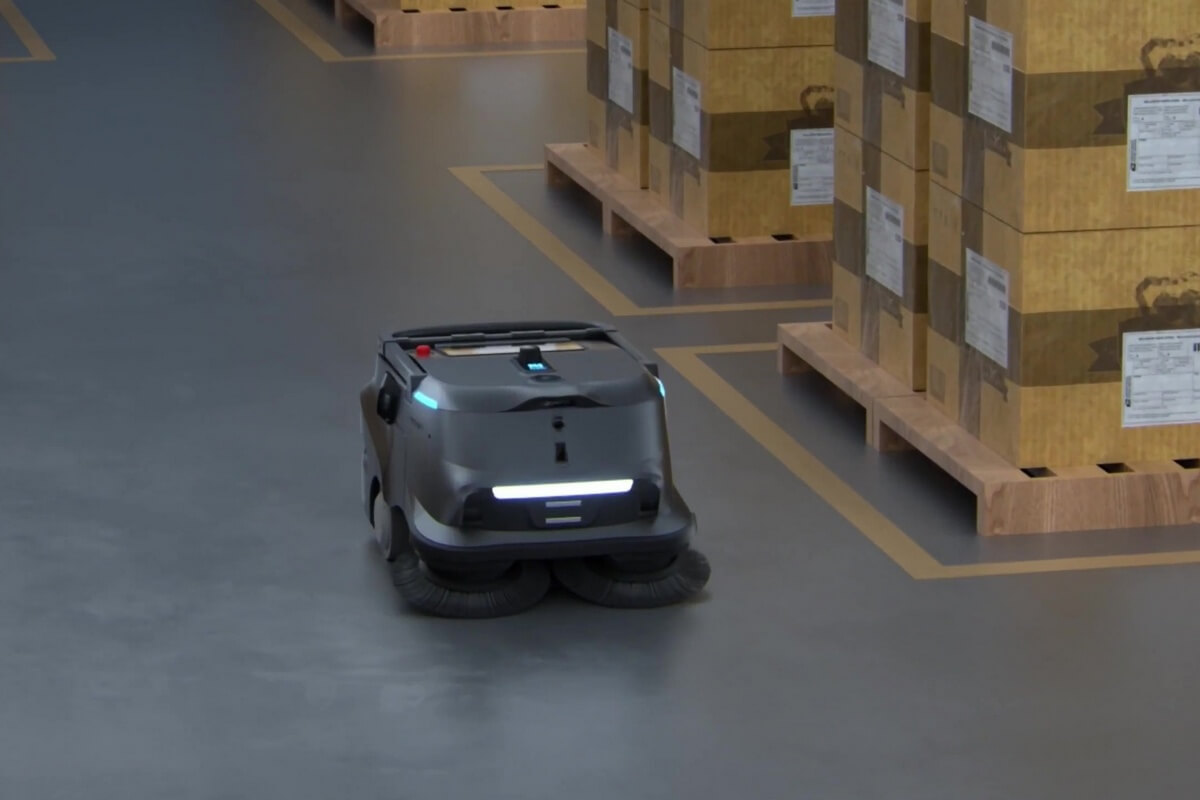
How to Choose the Right Cleaning Robot for Your Warehouse
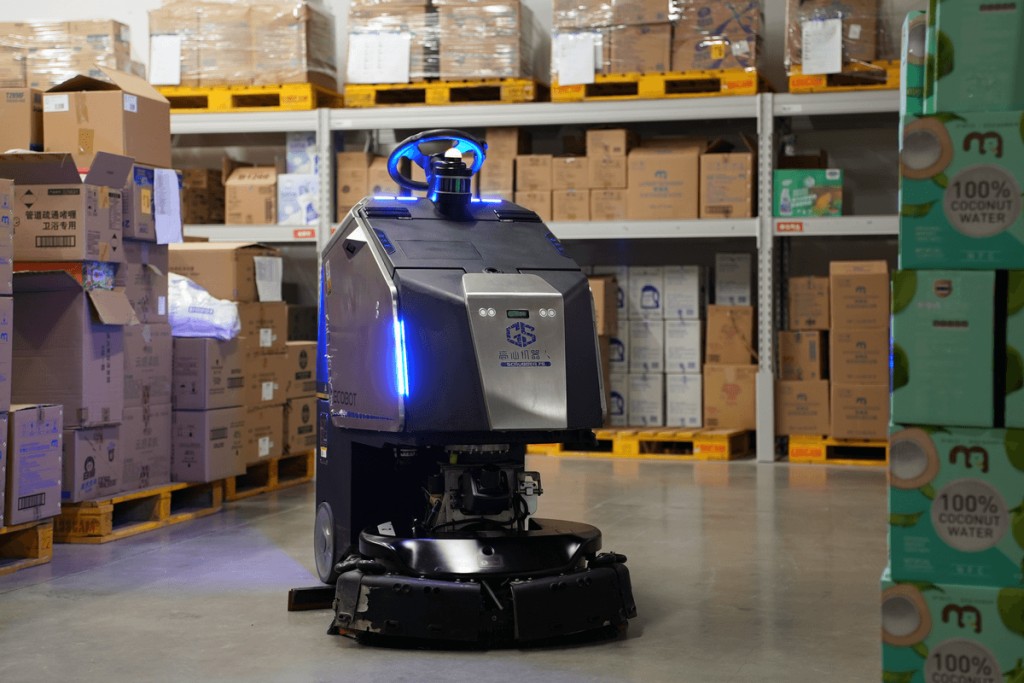
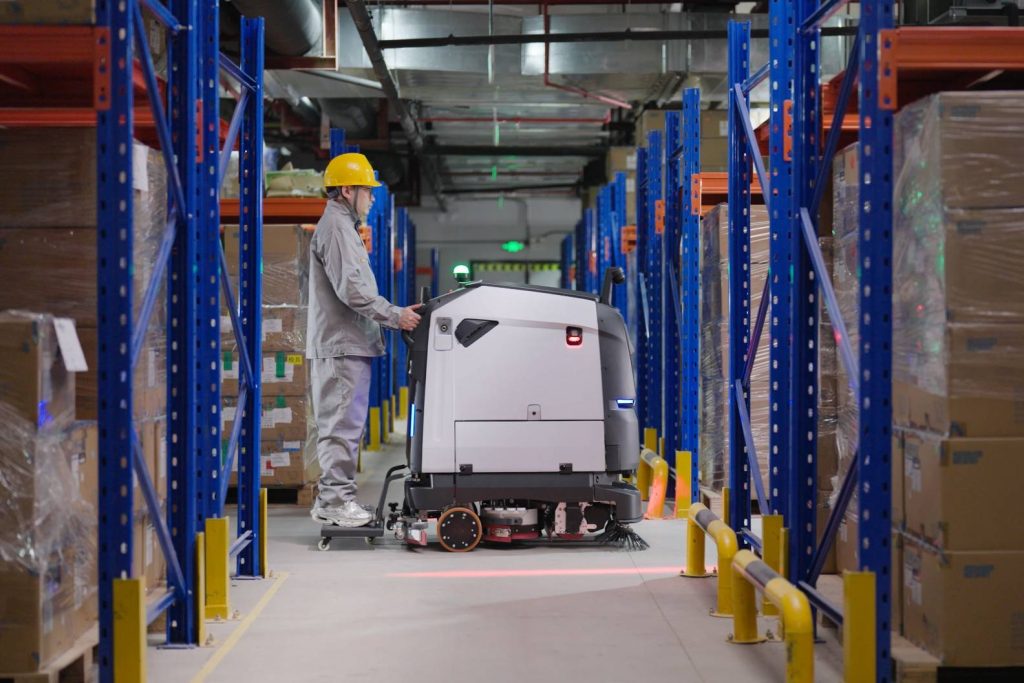
In a warehouse, the floor is not just a matter of appearance. Fine dust, pallet marks, packaging debris, and continuous forklift traffic affect safety, operating times, and the wear and tear of the facility. That is why a robot used in a warehouse should not be evaluated as just another piece of cleaning equipment, but as an operational component that needs to work predictably, consistently, and with a clear impact on costs.
In logistics, the question is not simply whether the floor gets cleaned, but when it is cleaned, how consistently, and how much it depends on staff. This is where automation really starts to matter. When you have large floor areas, multiple shifts, and pressure to maintain operational continuity, the difference between reactive cleaning and planned cleaning becomes apparent very quickly.
What should a warehouse cleaning robot be able to do?
A warehouse has different requirements compared with an office, hotel, or commercial space. The areas are larger, the dirt is more technical, and the routes are often affected by intensive activity. For this reason, the right choice starts with the type of task the robot will actually take over.
In some warehouses, the focus is on vacuuming and dust control, especially in high-traffic areas, spaces with tall shelving, and locations where sensitive goods are stored. In others, the priority is sweeping debris or mechanically scrubbing the floors. There are also mixed-use situations where the robot needs to cover main aisles, goods receiving areas, cross-docking spaces, and transition points between indoor and outdoor areas.
A robot suited to this environment needs to navigate reliably, avoid dynamic obstacles, and maintain consistent cleaning quality even when the space is not completely clear. This means having good sensors, sufficient battery life for real-world work cycles, and the ability to integrate into an operational schedule without disrupting the logistics flow.
Where does it deliver real value in a warehouse?
The biggest gain does not come solely from reducing manual labor, but from standardizing the process. Manual cleaning in a warehouse depends heavily on the shift, staff availability, and the pressure of other tasks. In practice, peripheral areas get postponed, cleaning routes are shortened, and the final result varies from one day to the next.
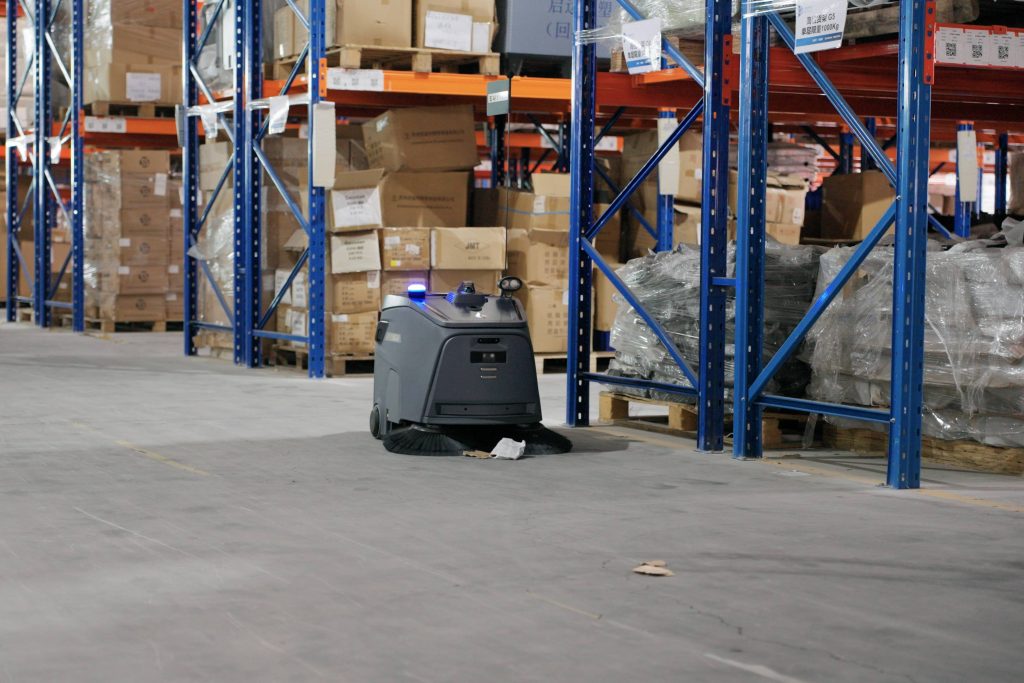
A warehouse cleaning robot creates value when it takes over repetitive and predictable tasks. Long aisles, high-traffic areas, surfaces that need to be maintained to the same standards, and time slots with lower activity are the scenarios where automation tends to deliver the fastest results.
There is also an important indirect effect. When a cleaning process becomes measurable, the operations manager no longer has to rely on impressions. They can track routes, working times, covered areas, and cleaning frequency. This shifts the conversation from effort to performance.
When does warehouse automation deliver the most value?
Automation generally delivers the best results in warehouses with large floor areas, extended operating hours, and ongoing challenges with staff recruitment or retention. It is particularly relevant in facilities where cleaning standards have a direct impact on safety, internal audit results, or the company’s image in its relationships with customers and partners.
For a small, compartmentalized space with numerous obstacles, profitability needs to be assessed based on the solution chosen and how it is implemented. Not every warehouse needs the same level of automation, and not every process needs to be fully automated from the outset. In many situations, a gradual implementation focused on the areas with the greatest impact can be the most efficient solution.
How do you choose the right solution?
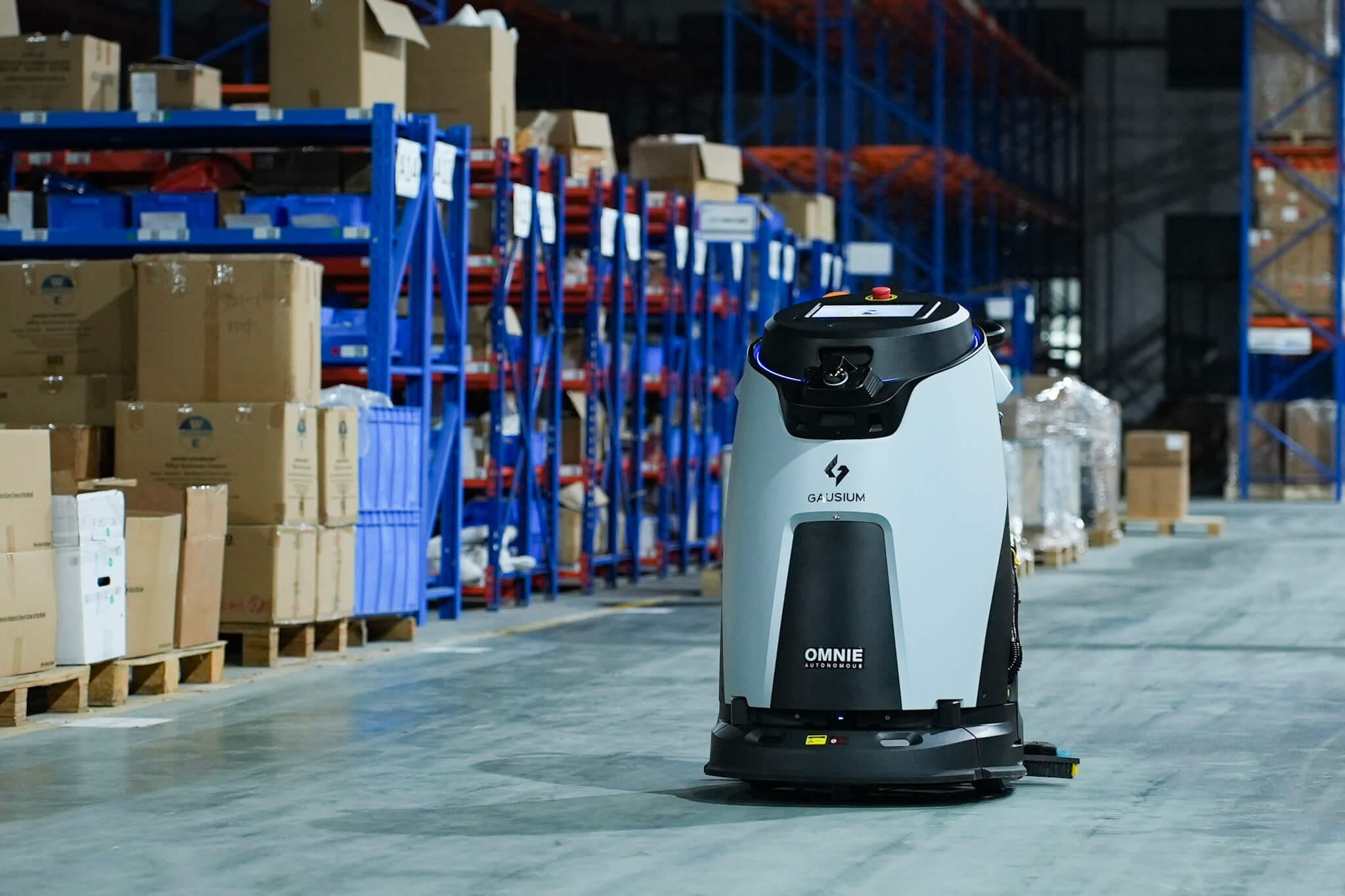
The selection process should not start with the price or with a successful demonstration in a controlled environment. The main criterion is compatibility with the real operating environment. A robot that performs flawlessly in a showroom may deliver modest results in a warehouse with mixed traffic, frequent layout changes, and uneven debris.
The first step is to assess the usable floor area that can be automated. Not the entire facility is necessarily suitable for robotization from the outset. In many cases, the most effective results come from automating repetitive, easy-to-plan areas first, followed by expansion to the rest of the facility.
The second step is to analyze the type of dirt involved. Industrial dust, fine particles, wet marks, packaging debris, and dirt brought in by wheels require different approaches. This is where you can see the difference between a rushed commercial choice and a mature implementation.
The third criterion is operational autonomy. It is not enough for a robot to have a large battery capacity on paper. What matters is how long it actually operates under real conditions, how easy it is to maintain, and whether it can be scheduled during the right time windows without creating bottlenecks in warehouse operations.
For logistics environments, intelligent navigation and obstacle avoidance are essential. Mapping capabilities, the ability to define restricted or priority zones, and access to operational data are equally important. A good robot does more than clean—it provides control over the process.
Ease of use for the local team also matters. If the interface is complicated, settings are difficult to adjust, or daily maintenance takes too much time, adoption will suffer. In the field, the solutions that succeed are those the team can operate simply and consistently.
Implementation makes the difference, not just the equipment
One of the most common mistakes is assuming that purchasing the equipment automatically solves the problem. In reality, a warehouse cleaning robot needs to be introduced through a clear process. This means defining zones, work schedules, responsibilities, intervention procedures, and how results will be monitored.
In many projects, success comes from a well-structured pilot phase. The process starts with a representative route or area, the robot’s performance is observed under real conditions, scheduling is adjusted, and the impact is measured. After this step, expansion can be carried out with much greater confidence.
For companies looking to reduce the risks associated with adopting a new solution, flexible implementation models can be a suitable option. Purchasing outright is advantageous when usage is intensive and consistent, and the investment can be amortized within a predictable timeframe.
By contrast, rental or subscription-based models offer greater flexibility for companies that want to test the solution under real operating conditions and obtain rapid operational validation without making a significant upfront investment. This is precisely where a specialized integrator can provide real value, because they deliver not only the equipment but also the right framework for using it.
Why does the implementation partner matter?
In this category, the difference between suppliers becomes apparent after delivery. Local technical support, training capabilities, response times, and experience with real-world facility management scenarios directly influence project performance. A high-performing robot with poor support can create operational friction. A well-implemented and properly maintained system can quickly become part of the daily routine.
For companies operating in Romania and nearby markets, the availability of regional support is a clear advantage. So is access to a broad portfolio, because not all warehouses have the same needs. Robotic Cleaning Solutions works precisely with this approach: selecting the right equipment, integrating it into operations, and offering flexible commercial models so that automation can be adopted at the pace that best suits each organization.
Warehouse cleaning robot or hybrid process?
In many situations, the right answer is not full automation, but a hybrid process. The robot takes care of large, repetitive areas, while the human team remains focused on details, hard-to-reach areas, one-off interventions, and exception management. This combination is often the most effective, especially during the initial phase.
A mature approach does not mean replacing all manual activities, but building a more stable, predictable cleaning system that is less dependent on staff availability. Ultimately, this is what operations managers are looking for: better process control, costs that are easier to track, and a consistent working standard without improvised solutions.
When the analysis starts with warehouse workflows, floor type, and specific operational objectives, choosing the right solution becomes much simpler. Automation is no longer just an investment in equipment, but a decision focused on efficiency and productivity.